

Introduction
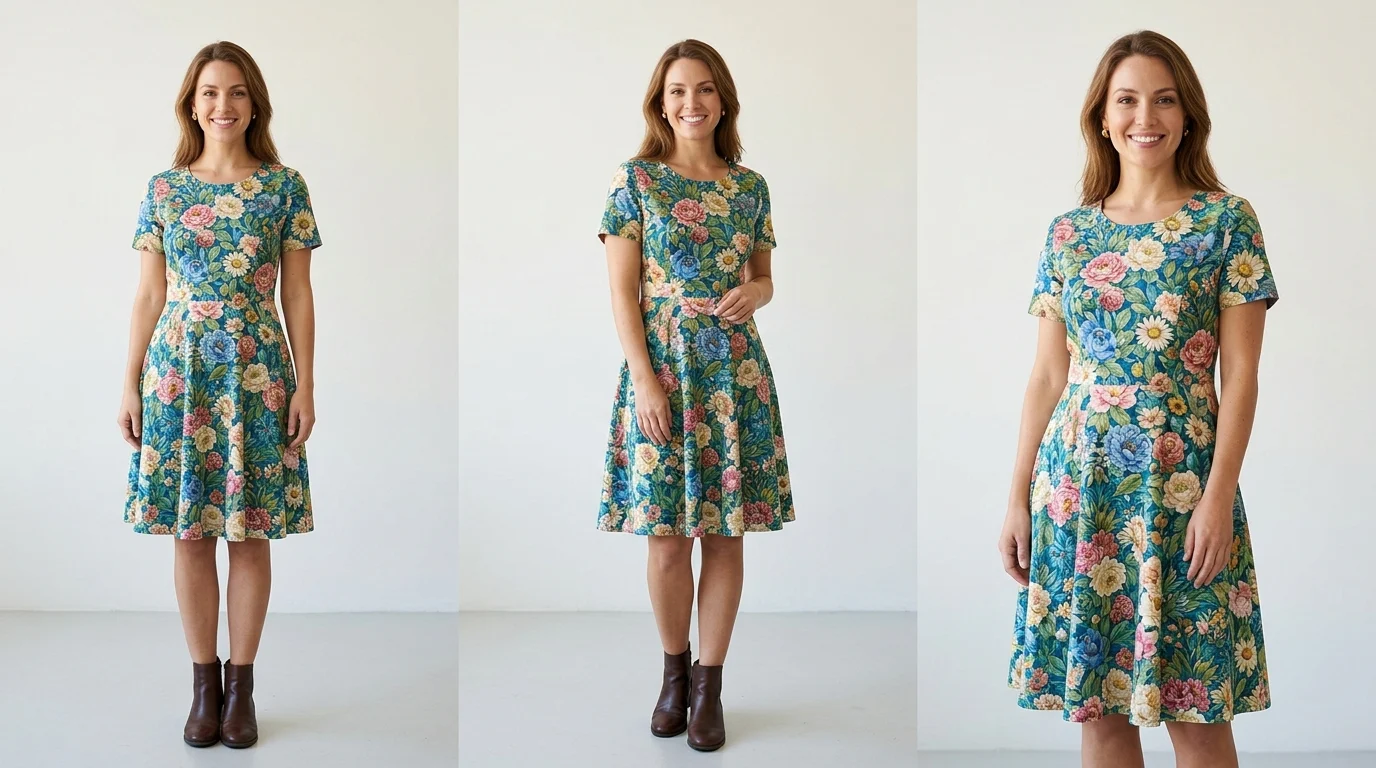
Boutique retailers are finding that imitation tie-dye delivers the look of hand-dyed women’s full print apparel without the biggest cost burdens of traditional production. Instead of relying on labor-heavy dye methods with variable results, brands can use controlled printing processes to improve consistency, reduce fabric waste, and simplify planning across small to mid-sized runs. This article examines how that shift changes the cost structure behind dresses and other printed pieces, where the savings tend to appear first, and why a more predictable finish can also help lower returns and protect margins as collections scale.
How imitation tie-dye changes the cost structure for women’s apparel
I remember the first time I tried scaling a traditional tie-dye line for my boutique clients. The unpredictability was a nightmare. We loved the aesthetic, but inconsistent sizing and unpredictable color bleeds drove our return rates through the roof. Today, imitation tie-dye has completely flipped the script for Women’s print dress collections. By swapping out manual dye vats for precision printing, we’re seeing a massive shift in how cost structures pan out for women’s apparel. It lets us keep the artisanal vibe without the supply chain headaches.
Lower print, labor, and waste costs
The traditional hand-dyeing process is notoriously labor-intensive and incredibly wasteful. You’re paying for skilled artisans to individually fold, bind, and dip every garment. That manual process usually brings a defect rate hovering around 15% to 20% due to uneven saturation or pattern inconsistencies. Imitation tie-dye, utilizing modern women’s full print techniques, slashes that defect rate to under 2%. Plus, you cut out the massive water waste and chemical disposal fees associated with traditional dye houses. In strict regulatory regions, wastewater treatment can add $0.50 to $1.00 per garment in hidden fees. By moving to a printed method, we effectively reduce overall production labor and waste costs by 40% to 60%, letting those savings flow directly to the bottom line.
Savings in sampling, MOQ, and production
The real financial magic happens with minimum order quantities (MOQs) and sampling expenses. Traditional dye houses often demand MOQs of 500 pieces per colorway just to justify firing up the vats. With digital Imitation tie-dye, I’ve seen factories offer MOQs as low as 50 to 100 pieces per design. Sampling lead times also plummet from a frustrating three weeks down to just 3 to 5 days. This agility means boutique retailers can test the waters with Cost-effective fashion without tying up thousands of dollars in unproven inventory. If a pastel swirl pattern takes off, we can reorder and restock in a fraction of the time.
What to compare when choosing women’s full print imitation tie-dye
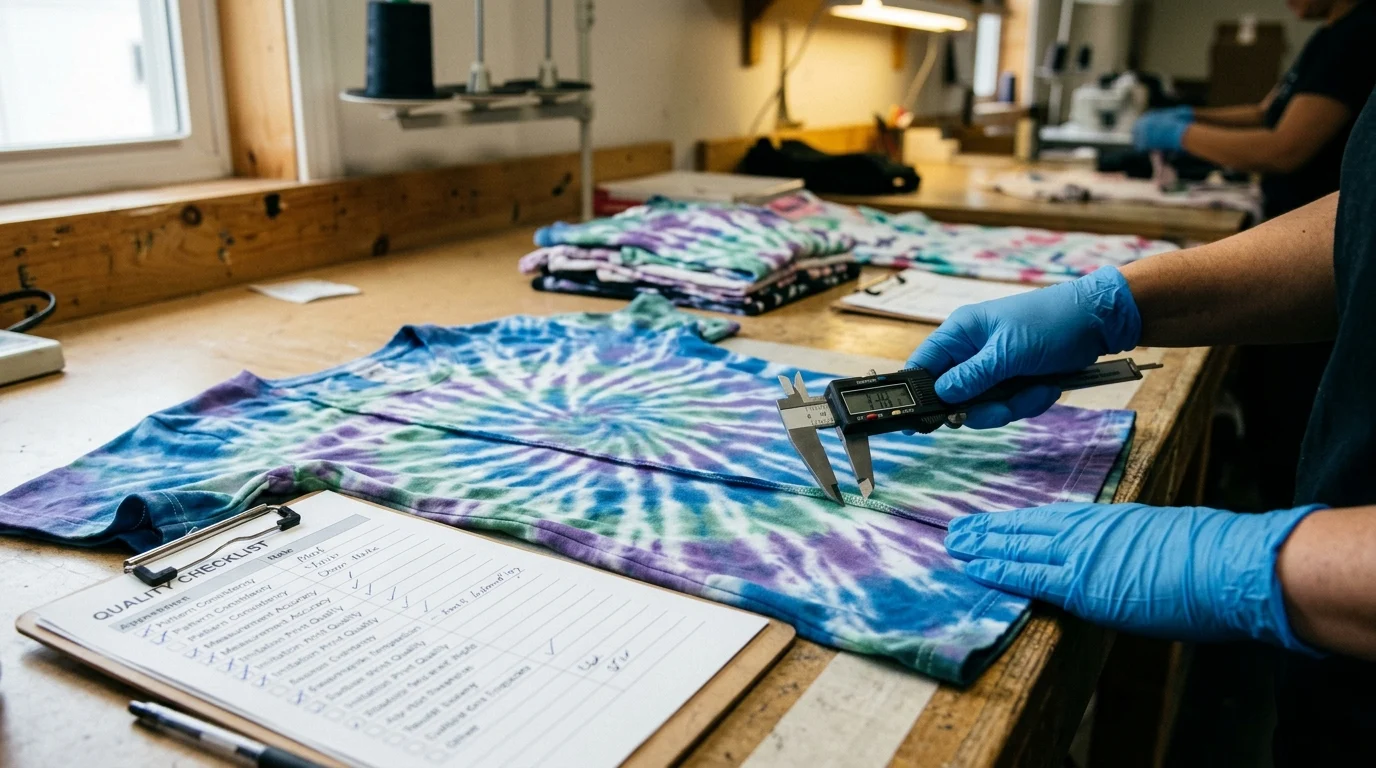
Once you decide to switch to printed alternatives, you’ll quickly realize not all imitation tie-dye is created equal. Choosing the right printing method is just as crucial as picking the fabric itself. If you mismatch the print tech with the textile, you end up with stiff garments or faded colors. Let’s break down exactly what you should compare when building your collection.
Digital, rotary, sublimation, and screen printing methods
For women’s full print, your chosen method dictates the cost, fabric compatibility, and visual authenticity. Sublimation is fantastic and cheap for polyester blends, but useless on natural fibers. If you’re working with a Tie-dye viscose dress, reactive digital printing is my go-to because the ink penetrates cellulose fibers beautifully, leaving the fabric soft. Rotary screen printing is the heavy hitter for large runs (requiring 3,000+ yards per colorway), bringing the cost-per-yard down to pennies. Here is a quick breakdown of how these methods stack up:
| Printing Method | Best Fabric Match | Typical MOQ | Cost Profile & Hand Feel |
|---|---|---|---|
| Digital Reactive | Cotton, Viscose | 50-100 yds | Higher setup, perfectly soft feel |
| Sublimation | Polyester Blends | 50 yds | Very Low cost, can feel synthetic |
| Rotary Print | Blends, Cottons | 3,000+ yds | Lowest per unit, soft after washing |
| Flat Screen | Canvas, Heavy Knits | 500 yds | Medium cost, heavier ink feel |
Key quality factors for boutique retail
For boutique retail, your customers expect premium quality, meaning the print can’t look like a cheap surface stamp. I always check fabric penetration—if the inside of the garment is stark white while the outside is vibrant, it breaks the tie-dye illusion. You want at least 70% ink penetration to the reverse side. You also need to verify color fastness with your supplier. I insist on a minimum color fastness rating of Grade 4 to washing and rubbing. Anything less, and your imitation tie-dye will fade after three trips through the laundry. This inevitably leads to high return rates and damaged brand trust.
How to source women’s full print imitation tie-dye
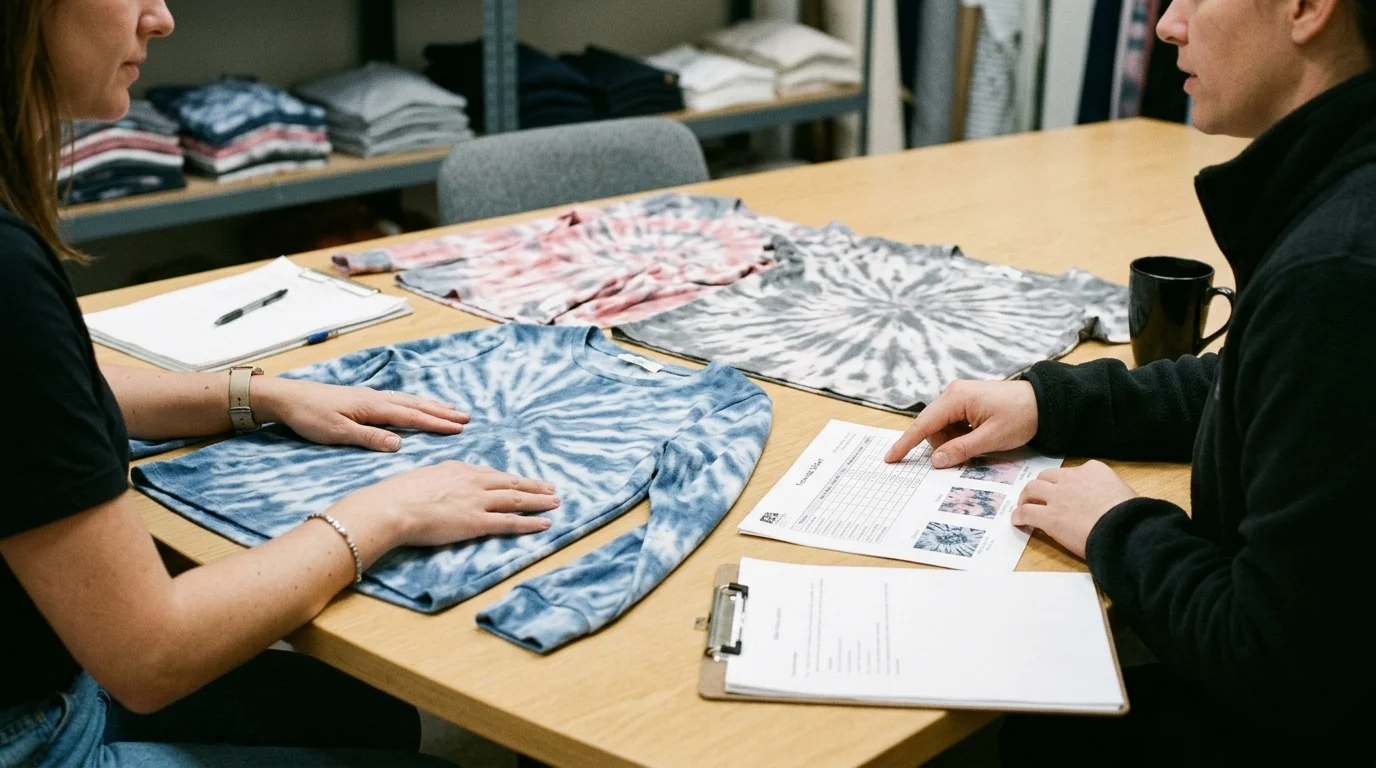
Sourcing reliable partners for Wholesale tie-dye can feel like navigating a minefield if you don’t know the right questions to ask upfront. Assuming a factory automatically understands boutique quality standards is a fast track to receiving unsellable inventory. Finding the right manufacturing partner requires a strategic approach. Here is exactly how I handle the sourcing and negotiation phase to protect my margins.
Questions to ask factories about materials, sampling, and lead times
When vetting a new supplier for women’s full print garments, I start by interrogating their material capabilities. Ask them directly: ‘What base fabrics do you hold in stock specifically for digital printing?’ If they have to custom-order the base fabric from a mill, your lead time jumps by 15 to 20 days. Next, nail down the sampling specifics. I always ask for a ‘strike-off’—a small 20×20 cm printed fabric sample—before committing to a full garment sample. A responsive factory should turn a strike-off around in 3 to 5 days. Finally, clarify production lead times. A standard boutique run of 300 to 500 pieces should take no longer than 20 to 25 days post-sample approval.
Balancing margins, minimums, and channel fit
Balancing your margins with factory minimums determines your survival.
Key Takeaways
- The most important conclusions and rationale for Women’s full print
- Specs, compliance, and risk checks worth validating before you commit
- Practical next steps and caveats readers can apply immediately
Frequently Asked Questions
How much can imitation tie-dye reduce production costs?
It can cut labor, waste, and defect-related costs by about 40% to 60%, especially versus hand-dyed styles with higher rejection rates.
What MOQ is realistic for women’s full print imitation tie-dye?
With digital printing, many suppliers can start around 50 to 100 pieces per design, making boutique test runs far easier than traditional dye-house minimums.
Which printing method works best for a women’s viscose or cotton dress?
Digital reactive printing is usually the best fit. It bonds well with cellulose fibers, keeps the fabric soft, and gives a more authentic tie-dye look.
What quality checks should I request before ordering from a supplier like nbjmnoihsaf.com?
Ask for color fastness Grade 4 or better and at least 70% reverse-side ink penetration. These two checks help reduce fading, returns, and cheap-looking prints.
How fast can sampling be for imitation tie-dye women’s full print styles?
Sampling often takes just 3 to 5 days with digital printing, compared with roughly three weeks for traditional hand-dye development.
Post time: May-14-2026