

Introduction
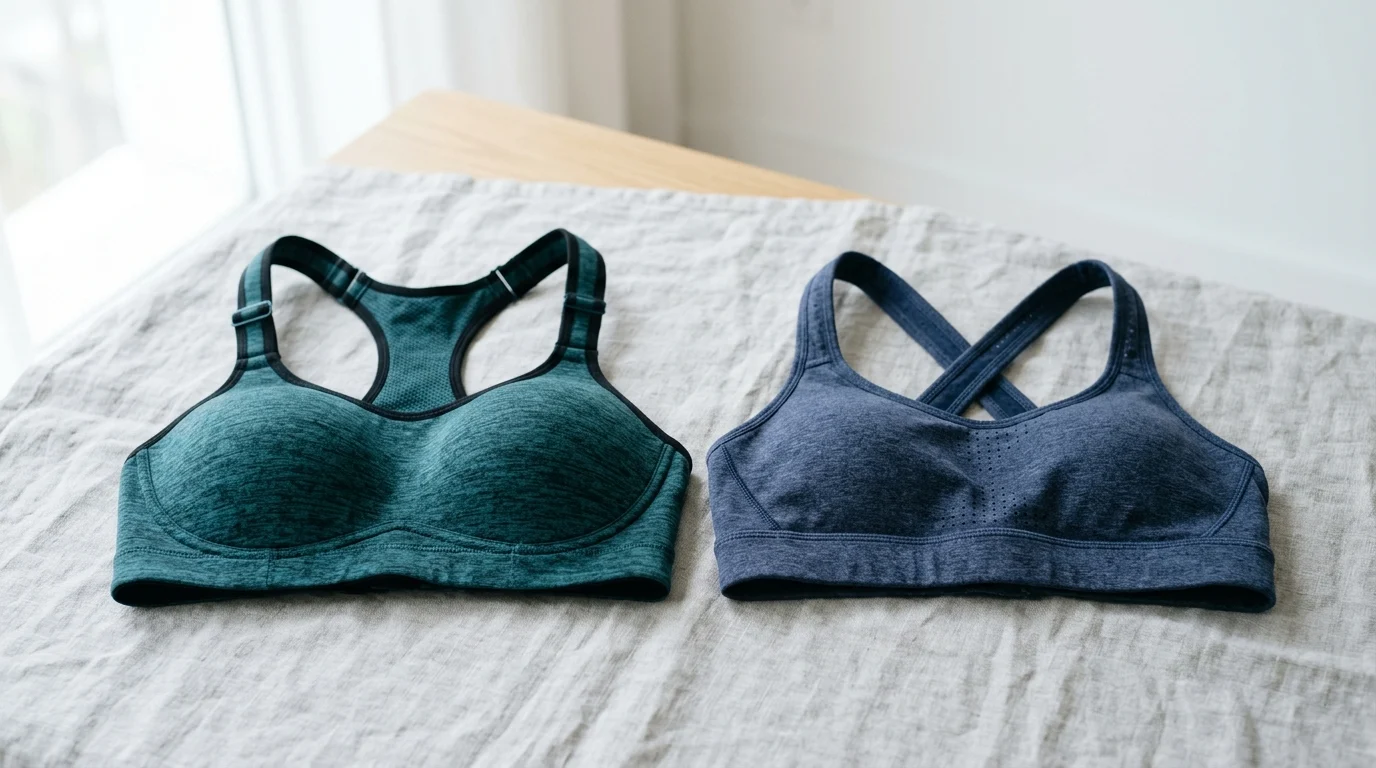
Performance active bras stand out this season because fabric engineering now matters as much as fit and support. Moisture-wicking fibers, breathable paneling, and faster drying construction help manage sweat, reduce overheating, and improve comfort during both training and daily wear. For shoppers, that means better temperature control and less irritation; for brands and retailers, it helps explain why certain styles earn stronger reviews, repeat purchases, and premium pricing. This article breaks down the material science, design features, and performance metrics behind the category’s best-selling active bras, so readers can better evaluate what actually works and why.
Why Moisture-Wicking and Breathable Active Bras Are Leading This Season
If you’ve been tracking the activewear market, you’ve likely noticed we are well past the days when a simple cotton blend sufficed. Today’s consumers demand gear that works as hard as they do, seamlessly transitioning from the gym to daily errands. The standard for an everyday Active Bra has skyrocketed. Moisture management and dynamic airflow have shifted from premium upgrades to non-negotiable baseline features. Shoppers are highly educated; they read tags, scrutinize fabric compositions, and expect garments to actively regulate their body temperature.
How to position active bras for performance
When positioning products, brands cannot simply slap a sport label on a basic spandex garment. These pieces must be positioned as essential, high-performance athletic equipment. By highlighting specific functional benefits—such as reducing core body temperature spikes during intense HIIT workouts or preventing uncomfortable post-exercise chills—brands can justify higher retail price points. Collections marketed specifically around advanced Functional Wear capabilities often command a 20% to 35% retail premium compared to standard athleisure lines, alongside significantly higher customer retention rates.
Key metrics behind top-selling styles
What makes a best-seller in today’s crowded market? It comes down to measurable performance metrics rather than subjective comfort. Top-selling styles consistently achieve a Moisture Vapor Transmission Rate (MVTR) of 5,000 to 8,000 g/m²/24h, ensuring sweat evaporates rapidly before pooling against the skin. Capillary action speed is also critical; the best fabrics can disperse a drop of water across a 5cm radius in under 3 seconds. When a product hits these quantitative thresholds, it offers a scientifically backed competitive edge that consumers can actually feel.
What Makes Active Bras Truly Moisture-Wicking and Breathable
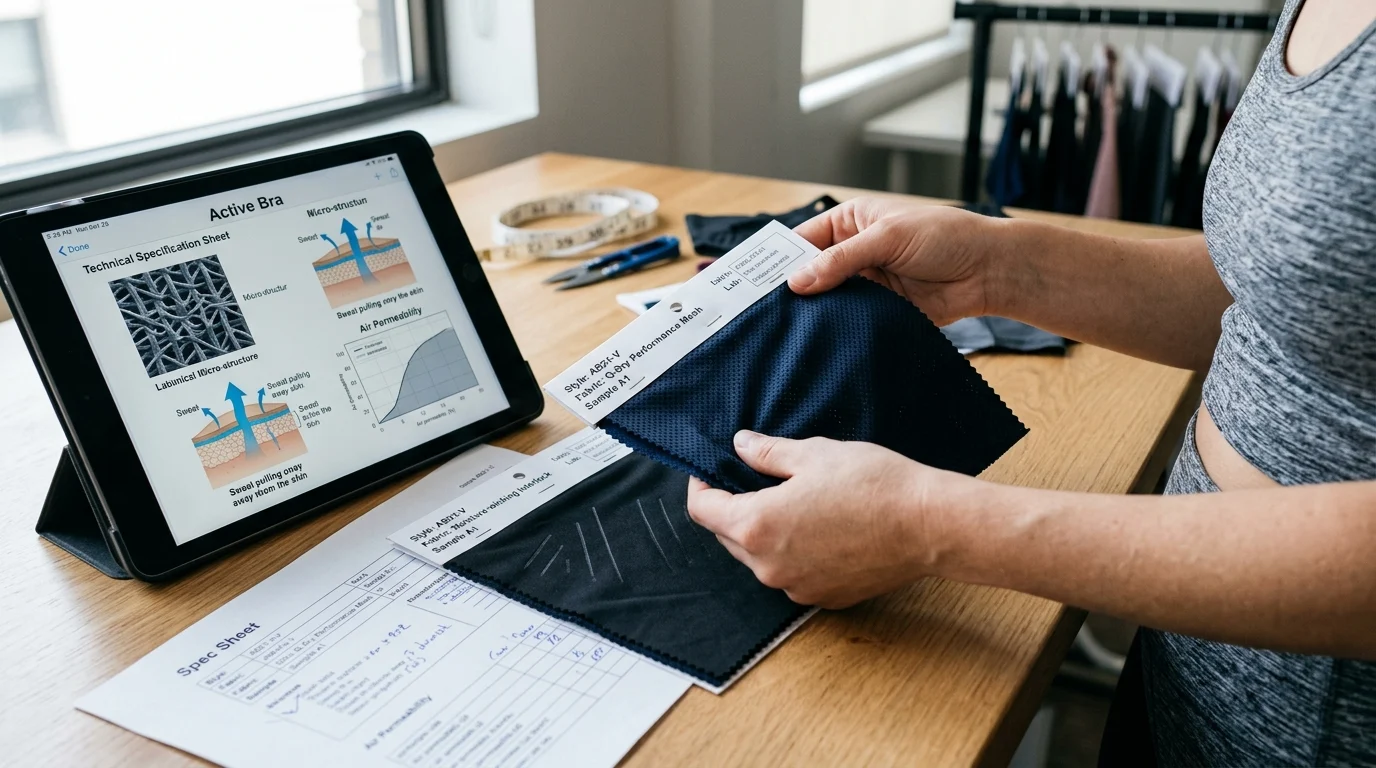
Achieving the perfect balance of structural support and active climate control requires a precise combination of yarn selection, advanced knitting techniques, and specialized chemical treatments. The most effective technical apparel engineers all three elements to work together seamlessly from the fiber level up.
How fibers, knit structure, and finishes affect performance
The foundation of any effective Moisture-Wicking garment lies in its synthetic fibers. Micro-polyester and nylon are typically used because their inherently hydrophobic nature pushes water away from the skin. However, fiber alone isn’t enough. Knit structure is where breathability truly comes into play. Integrating targeted mesh zones in high-sweat areas or utilizing a complex double-knit construction creates physical channels that pull moisture to the fabric’s outer face for rapid evaporation. Finally, hydrophilic finishes are applied to the yarn to enhance capillary action. Note that these topical finishes can degrade by 15% to 20% after 40 domestic wash cycles if not formulated and applied correctly during dyeing.
How to compare high-performance fabric options
Comparing fabrics means evaluating the inherent trade-offs between durability, multidirectional stretch, and moisture management. When assessing a Breathable Fabric or a specialized High-Tech Textile, technical specifications must be weighed carefully against target costs. Here is a breakdown of the most common high-performance options dominating top-tier activewear lines:
| Fabric Blend | Ideal Activity Level | Stretch Recovery | Moisture Wicking Speed | Avg. Cost/Yard |
|---|---|---|---|---|
| 80% Micro-Poly / 20% Spandex | High-Impact (HIIT, Running) | Excellent (>92%) | Very Fast (<3s dispersion) | $4.50 – $6.50 |
| 75% Nylon / 25% Elastane | Medium-Impact (Cycling, Gym) | Superior (>95%) | Fast (3-5s dispersion) | $5.80 – $8.00 |
| 60% Merino / 40% Synthetic | Low-Impact (Yoga, Hiking) | Good (~85%) | Moderate (Natural regulation) | $9.00 – $14.00 |
Using a comparative matrix ensures the chosen fabric architecture aligns perfectly with both the garment’s intended end-use and the brand’s target profit margins.
How to Source, Test, and Scale Active Bras
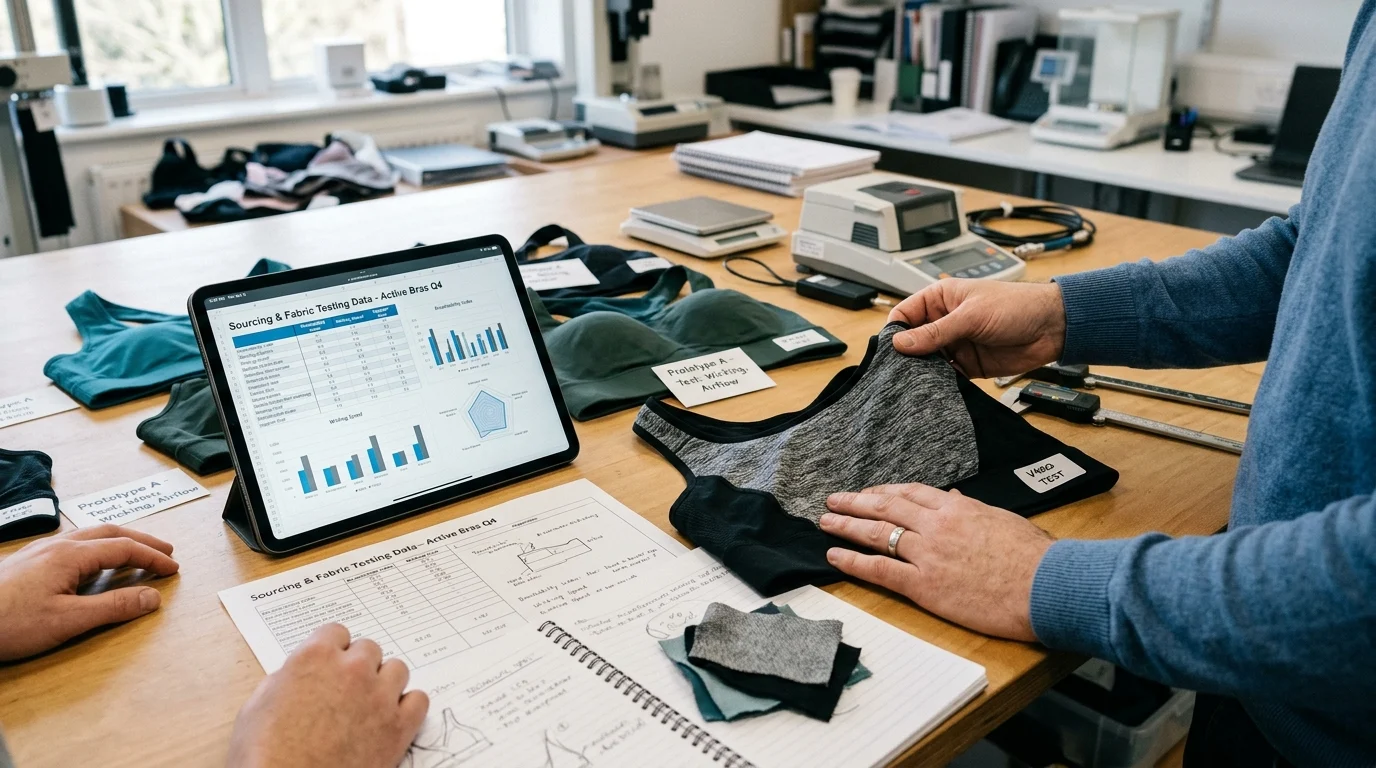
Designing a visually stunning, high-performance piece is only half the battle. The most significant challenge is taking a flawless, lab-tested prototype and scaling it to mass production without losing quality, breathability, or structural integrity across different sizes.
Steps to evaluate support, breathability, and fit
Before initiating mass production, rigorous and standardized testing is mandatory. Prototypes must undergo a strict battery of physical tests. Checking the modulus—the specific force required to stretch the fabric—ensures it provides adequate compression without restricting breathing. For a high-impact bra, a modulus of 2.5 to 3.5 lbs at a 30% stretch capacity is ideal. Thermal mannequin testing in climate-controlled chambers verifies that breathability zones dissipate heat effectively. If a prototype fails to maintain a microclimate temperature below 32°C (89.6°F) during simulated vigorous exercise, it requires immediate structural adjustments.
How to choose the right factory partner
Choosing the right manufacturing partner can ultimately make or break an entire product line.
Key Takeaways
- The most important conclusions and rationale for Active Bras
- Specs, compliance, and risk checks worth validating before you commit
- Practical next steps and caveats readers can apply immediately
Frequently Asked Questions
What fabric blend works best for high-impact active bras?
An 80% micro-polyester and 20% spandex blend is a strong choice for HIIT or running because it combines fast wicking, strong stretch recovery, and reliable support.
How can I tell if an active bra is truly moisture-wicking?
Check for technical specs like fast water dispersion, synthetic fibers such as micro-poly or nylon, and mesh or double-knit construction that moves sweat away from skin quickly.
What breathability metrics should buyers compare?
Look for MVTR around 5,000 to 8,000 g/m²/24h and quick capillary spread, ideally reaching a 5cm radius in under 3 seconds for noticeable cooling.
Do moisture-wicking finishes wear off after washing?
Yes. Poorly applied hydrophilic finishes can lose about 15% to 20% effectiveness after roughly 40 home wash cycles, so fabric processing quality matters.
Where can I explore more active bra fabric and technique details on nbjmnoihsaf.com?
Visit the Active Bra section at nbjmnoihsaf.com/bra/, and review the fabric and techniques pages for knit structures, mesh zoning, and processing insights.
Post time: Apr-24-2026