

Introduction
As gyms, studios, and outdoor training routines regained momentum after the pandemic, the active bra moved from a basic layer to a performance essential. Today’s buyers expect more than comfort: they want support calibrated to different workout intensities, breathable fabrics, durability, and a look that fits seamlessly into everyday wear. This shift is reshaping both consumer expectations and the wider activewear market, with brands responding through more specialized designs and clearer performance tiers. The discussion ahead examines what is fueling demand, how active bras are being redefined by post-pandemic fitness habits, and which product features now matter most to shoppers.
Post-Pandemic Fitness Trends and Active Bra Demand
The fitness landscape has completely transformed since 2020. While loungewear once dominated apparel sales, the return to hybrid gym routines and outdoor running tracks has driven a massive pivot in consumer behavior. Shoppers are no longer looking for basic comfort; they demand high-grade support that keeps pace with a highly active lifestyle.
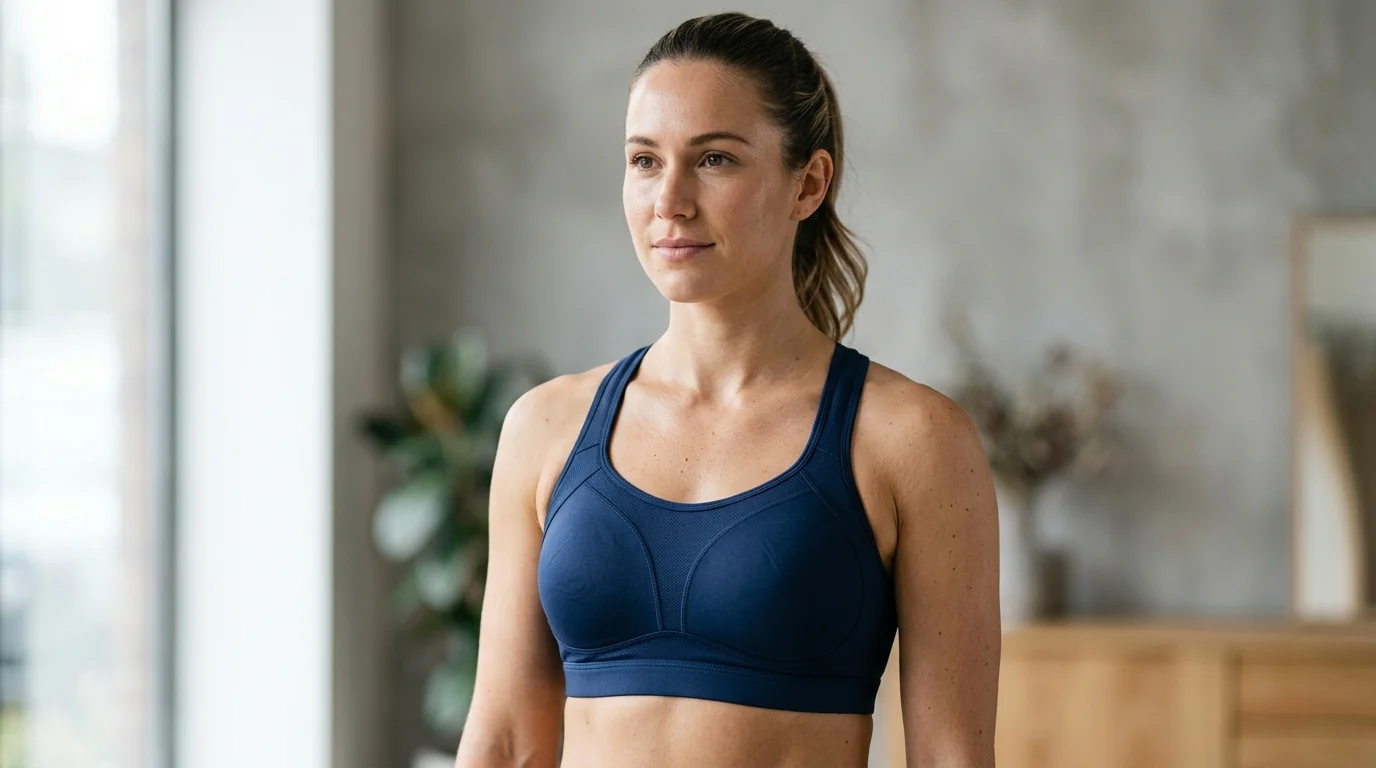
The demand for the modern Workout Bra has skyrocketed, turning what used to be an afterthought undergarment into the centerpiece of athletic apparel. Whether training for a marathon or running errands after a spin class, consumers now expect elite performance combined with streetwear aesthetics.
Market growth drivers
What is driving this unprecedented surge? It comes down to a mix of hybrid lifestyles and a renewed focus on holistic wellness. Consumers are blending yoga, high-intensity interval training (HIIT), and heavy weightlifting into a single week. Recent industry data projects the global activewear market, specifically sports bras, to grow at an impressive 11.2% CAGR over the next five years. Buyers expect their gear to keep up with these varied routines, expanding their wardrobes with four to six different styles per person rather than relying on a single worn-out piece. They want versatility, breathability, and undeniable style rolled into one.
Product definitions and performance tiers
Understanding this boom requires defining what makes an Active Bra “high-performance.” The market generally splits into three distinct performance tiers based on impact levels, with fabric composition shifting dramatically between them. Low-impact bras rely heavily on simple compression, often using 10% to 15% spandex for a gentle, forgiving stretch. High-impact variants push that envelope to 25% or even 30% elastane for maximum hold. This is not just about adding extra elastic; it involves engineered zoning and encapsulation. True high-performance designs separate and support each breast individually, which can reduce bounce by up to 70% during intense, repetitive movements like running or plyometrics.
What Drives Competitiveness in High-Performance Active Bras
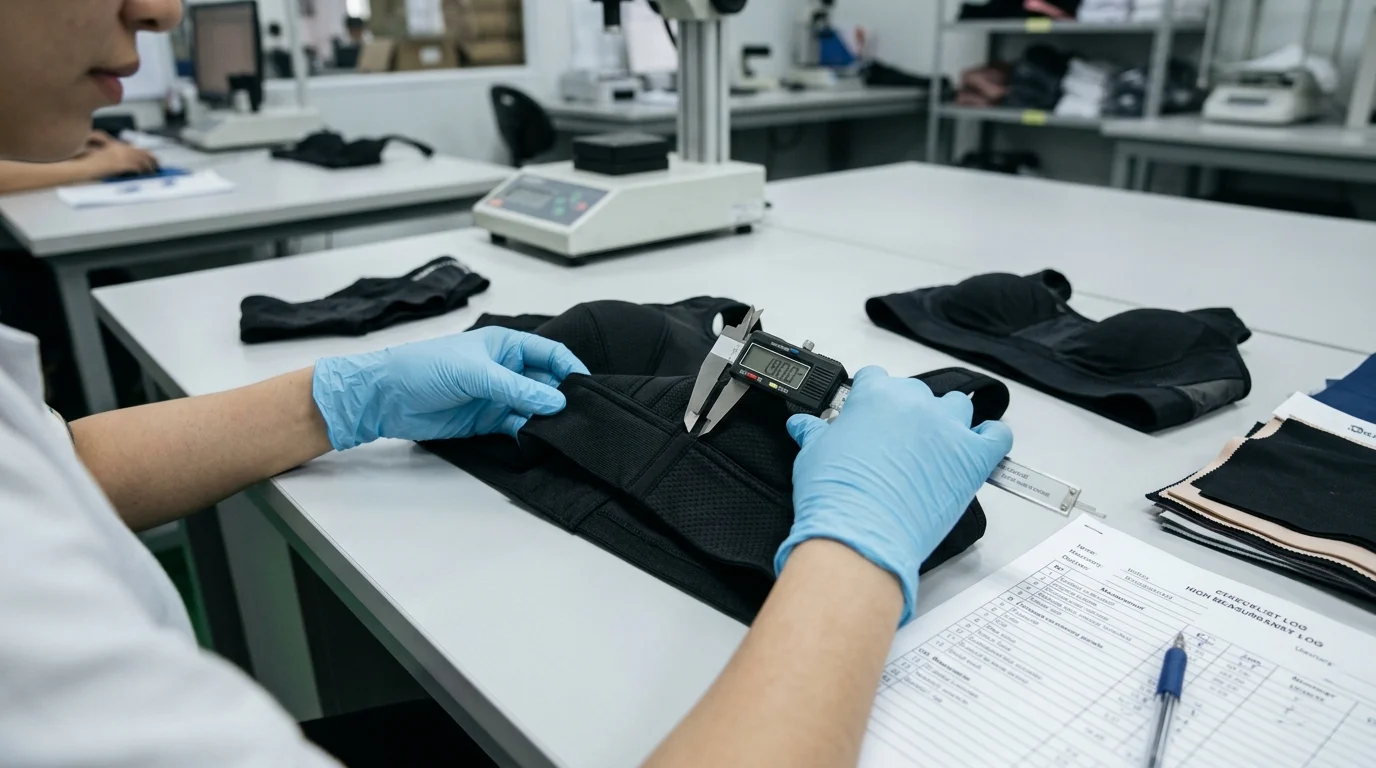
Standing out in this fiercely competitive space requires more than adding a reflective logo to a basic racerback. True competitiveness in the Performance Apparel market comes down to a ruthless focus on technical specifications and an airtight, sustainable supply chain. Today’s consumers are highly educated; they check labels for technical fabric blends and sustainability certifications before they even look at the price tag.
Key specifications influencing purchase decisions
The top-selling items in the market feature perfectly dialed-in technical specifications. Buyers are hunting for four-way stretch, laser-cut ventilation, and moisture-wicking properties that perform under sweat-heavy conditions. Denier count and elastane percentages are the critical factors. The following comparative breakdown illustrates how these specifications scale across different product tiers:
| Performance Tier | Spandex Content (%) | Fabric Denier | Target Bounce Reduction | Typical Activity Application |
|---|---|---|---|---|
| Low Impact | 10% – 15% | 30D – 40D | Up to 25% | Yoga, Pilates, Walking |
| Medium Impact | 15% – 20% | 40D – 50D | 30% – 50% | Cycling, Strength Training |
| High Impact | 25% – 30%+ | 50D – 70D | 60% – 70%+ | Running, HIIT, Plyometrics |
Sourcing, compliance, and production costs
Beyond the physical product, sourcing and production methods are major competitive levers. Within production ecosystems spanning WARP, BSCI, and Sedex audited factories, ethical compliance is now non-negotiable. Brands need manufacturing partners capable of scaling seamlessly—from a nimble 50-unit prototype run to 10 million annual units—without compromising quality. Utilizing GRS-preverified materials and integrating AI-driven quality control nodes keeps operations globally compliant while drastically cutting hidden production costs. For instance, implementing laser precision cutting technology can lead to a 15% reduction in fabric waste, directly improving the bottom line while hitting crucial sustainability targets.
How Brands and Retailers Should Respond in the Active Bra
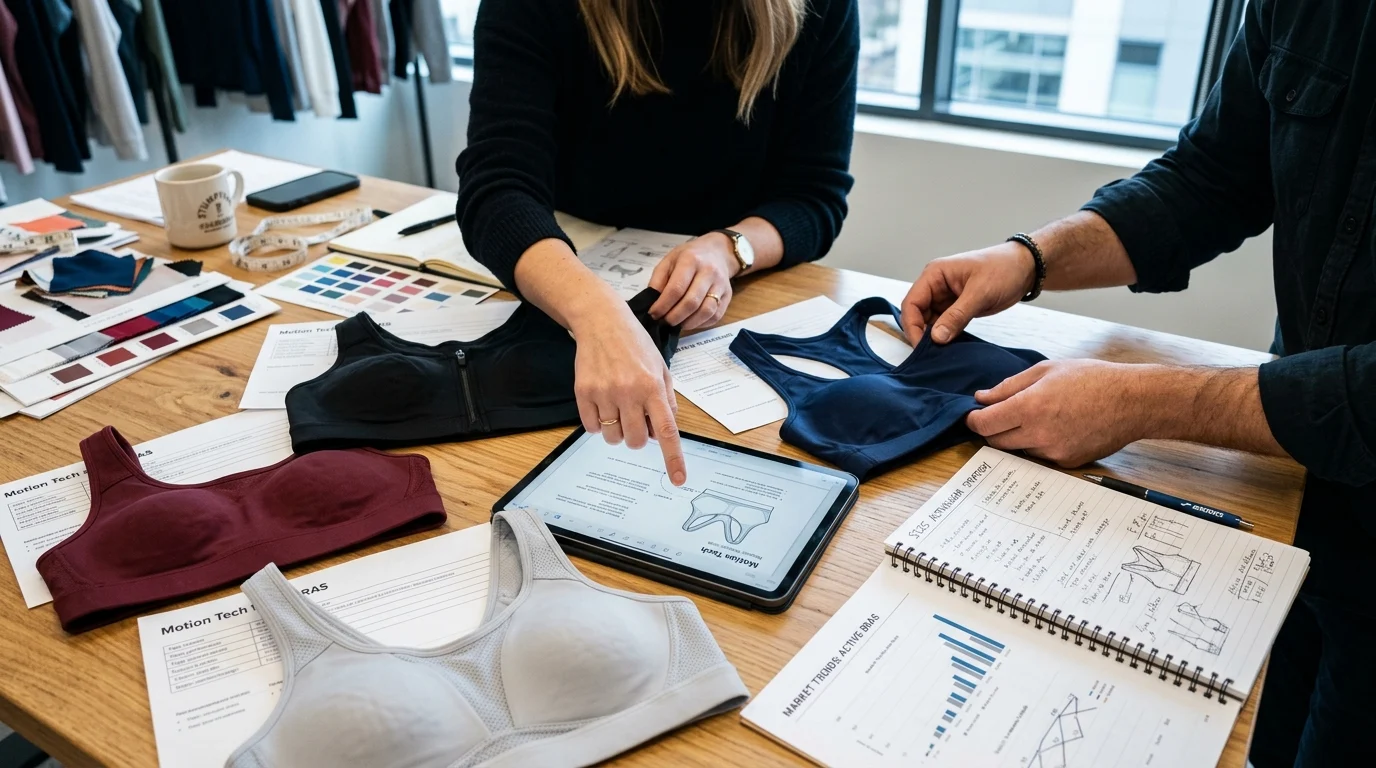
Knowing the specifications and understanding market drivers is only half the battle. Managing a retail lineup or launching a new Fitness Gear collection requires a concrete, actionable strategy to capitalize on this demand without overextending operational budgets. The key to successfully navigating this pivot lies in maintaining agility while making smart, data-backed cost allocations.
Practical action steps
First, accelerating time-to-market is essential. The days of waiting six months for a physical sample to cross the ocean are over. By integrating 3D prototyping and partnering with vertically integrated manufacturers, brands can achieve up to 27% faster sampling cycles. This agility allows companies to react to viral fitness trends—like a sudden spike in demand for longline yoga styles or asymmetrical straps—almost instantly. Next, audit current Bulk Sportswear suppliers. Ensure they hold active ISO 14001 certifications and utilize Oeko-Tex or BCI fabrics. Marketing teams rely heavily on these eco-credentials to win over environmentally conscious Gen Z and Millennial buyers.
Decision guidance on balancing performance and cost
Finally, balancing high-end performance with necessary retail margins remains critical for long-term success.
Key Takeaways
- The most important conclusions and rationale for Active Bra
- Specs, compliance, and risk checks worth validating before you commit
- Practical next steps and caveats readers can apply immediately
Frequently Asked Questions
What defines a high-performance active bra?
It combines strong support, moisture-wicking fabric, four-way stretch, and ventilation. For running or HIIT, look for encapsulation design and higher elastane content for better bounce control.
How do I choose the right impact level for an active bra?
Match it to your activity: low impact for yoga and walking, medium for cycling and strength training, high impact for running, HIIT, and plyometrics.
What fabric specs matter most when sourcing active bras from nbjmnoihsaf.com?
Focus on elastane percentage, fabric denier, moisture management, and four-way stretch. Higher-impact styles typically use 25%–30%+ elastane and 50D–70D fabrics.
Why are sustainability and factory audits important for active bra production?
They help ensure ethical manufacturing, consistent quality, and easier retail compliance. Look for WARP, BSCI, or Sedex audited factories and GRS-preverified materials.
Can active bra manufacturers handle both small and large production runs?
Yes, capable suppliers can scale from about 50-unit prototypes to large-volume orders while maintaining quality control, material consistency, and delivery reliability.
Post time: Apr-24-2026