

Introduction
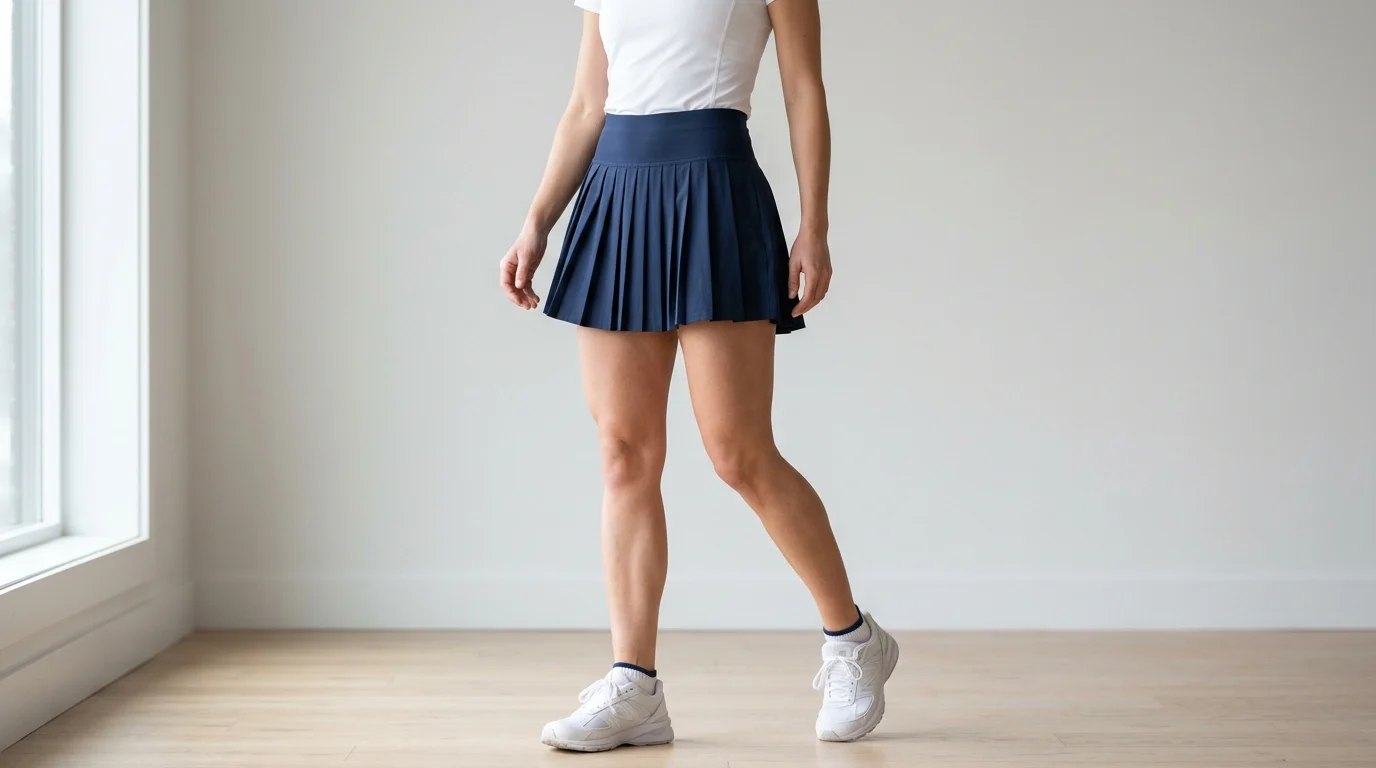
Once limited largely to court sports, the high waist pleated athletic skirt now sits at the intersection of performance design and everyday style. Its rise reflects more than a fashion cycle: shoppers are looking for pieces that support movement, provide coverage, and still deliver a polished silhouette. This article examines how that shift happened, what construction details define the category, and why features such as supportive waistbands, built-in shorts, and functional storage matter in real use. By the end, readers will have a clear view of how this skirt evolved and what makes it appealing for both active wear and casual dressing.
Why High-Waist Pleated Athletic Skirts Are Growing
The high waist pleated athletic skirt has transformed from a niche tennis staple into an everyday powerhouse, completely blurring the lines between performance gear and street fashion. A massive 45% year-over-year jump in consumer demand for these hybrid garments proves this is not just a fleeting micro-trend, but a foundational shift in how people dress for movement.
What defines the category
This specific style relies on a deliberate architectural design. A true high rise athletic bottom in this category features a waistband that sits securely above the navel, typically measuring between 4.5 and 5.5 inches in width. This wide band is crucial because it provides targeted core compression, smooths the silhouette, and resists rolling down during rigorous workouts.
Beneath the sharply pleated exterior lies a built-in liner short. These liners typically feature a 3- to 4-inch inseam, designed specifically to prevent chafing and offer total coverage during deep squats, lunges, or heavy winds. Many modern iterations also incorporate hidden pockets on the liner, engineered deep enough to securely hold a 6-inch smartphone or a couple of tennis balls without sagging.
Which trends are driving demand
What is pushing this massive surge in popularity? First is the undeniable rise of the “tenniscore” and golf-leisure aesthetics dominating social media feeds. Consumers increasingly want multifaceted outfits that transition seamlessly from a morning match to a casual brunch without requiring a full wardrobe change.
Beyond looking good on the court, current yoga skirt trends show that roughly 70% of buyers wear these skirts primarily for non-athletic, everyday activities. The broad appeal lies in the universally flattering silhouette. The high waist effectively cinches the core, while the pleats offer a forgiving, dynamic drape over the hips and thighs that tighter leggings simply cannot provide.
Design and Manufacturing Priorities
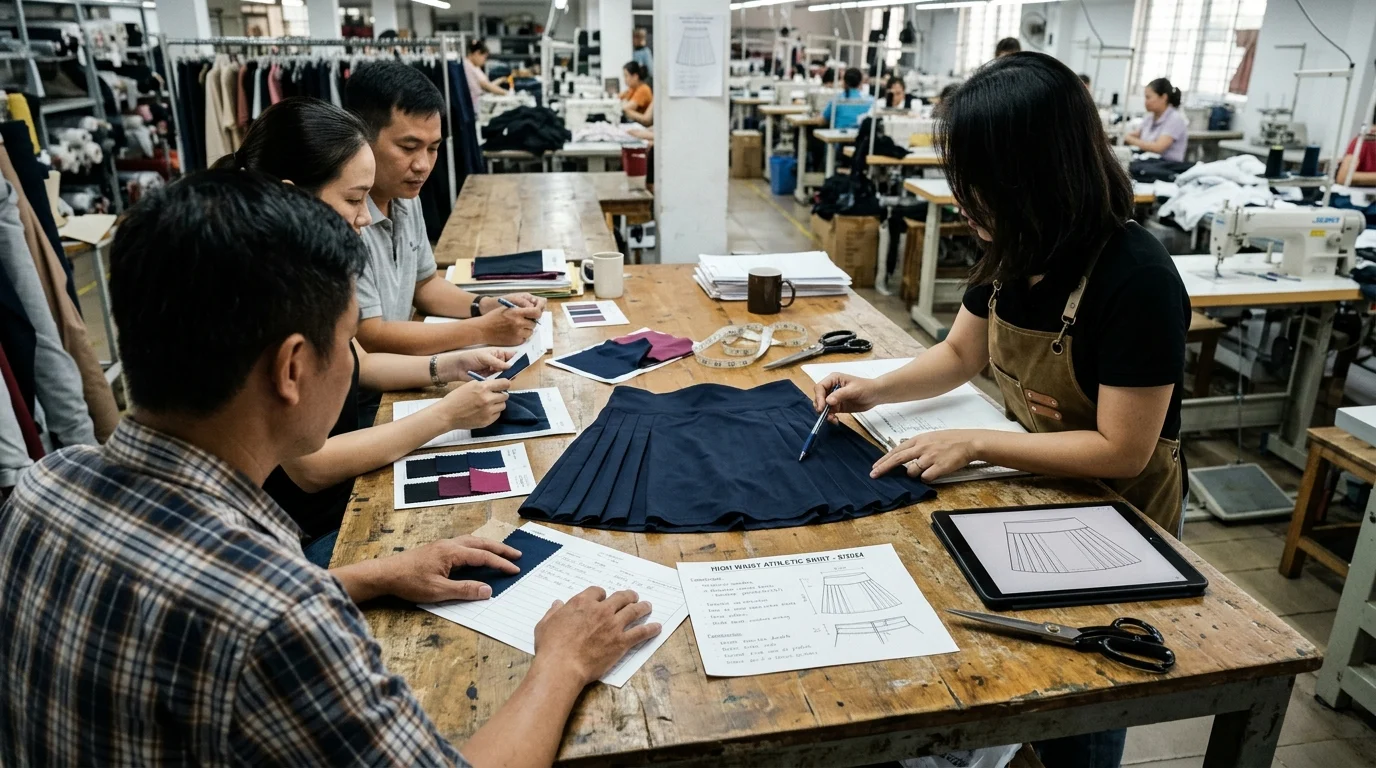
While the aesthetic appeal of these garments is strong, a cute design will only secure an initial sale; long-lasting performance is what earns repeat customers. Nailing the manufacturing side of a high waist pleated athletic skirt requires a delicate balancing act between stretch, drape, and rugged durability.
Which performance specifications matter most
The real magic of these garments happens at the fiber level. Brands need materials that offer substantial four-way stretch while retaining their shape and compression after dozens of harsh wash cycles. A spandex or elastane content hovering between 15% and 25% is generally ideal for optimal recovery.
Moisture management is equally critical, especially for the inner liner. Premium moisture-wicking activewear relies on advanced synthetic blends that actively pull sweat away from the skin to evaporate on the surface. Here is a breakdown of the most common fabric blends used in production:
| Fabric Blend | Typical Weight (GSM) | Ideal Component | Key Characteristic |
|---|---|---|---|
| 85% Polyester / 15% Spandex | 200 – 220 | Outer pleated skirt | Thermoplastic (holds sharp pleats permanently) |
| 75% Nylon / 25% Spandex | 220 – 250 | High waistbands | Superior softness and high compression |
| 80% Nylon / 20% Elastane | 180 – 200 | Inner liner shorts | Breathable, lightweight, anti-chafe finish |
How to compare materials, cost, and quality control
When comparing these materials, the fabric weight (GSM) dictates exactly how the garment behaves in motion. A heavy skirt will not flow gracefully, but a flimsy one will fly up at the slightest breeze. For a highly reliable performance pleated skirt, 200 to 220 GSM is the absolute sweet spot for the outer layer.
Quality control is ultimately where profit margins are saved or lost. Pleats are notoriously tricky to set permanently. Because polyester is thermoplastic, it holds a heat-set pleat much better than nylon. It is advisable to set a strict acceptable quality limit (AQL) with the factory, aiming for a critical defect rate of under 2.5%. Rigorously checking the heat-setting process on the pleats and ensuring the flatlock seams on the inner shorts are flawlessly executed will prevent skin irritation.
Sourcing, Pricing, and Product Selection
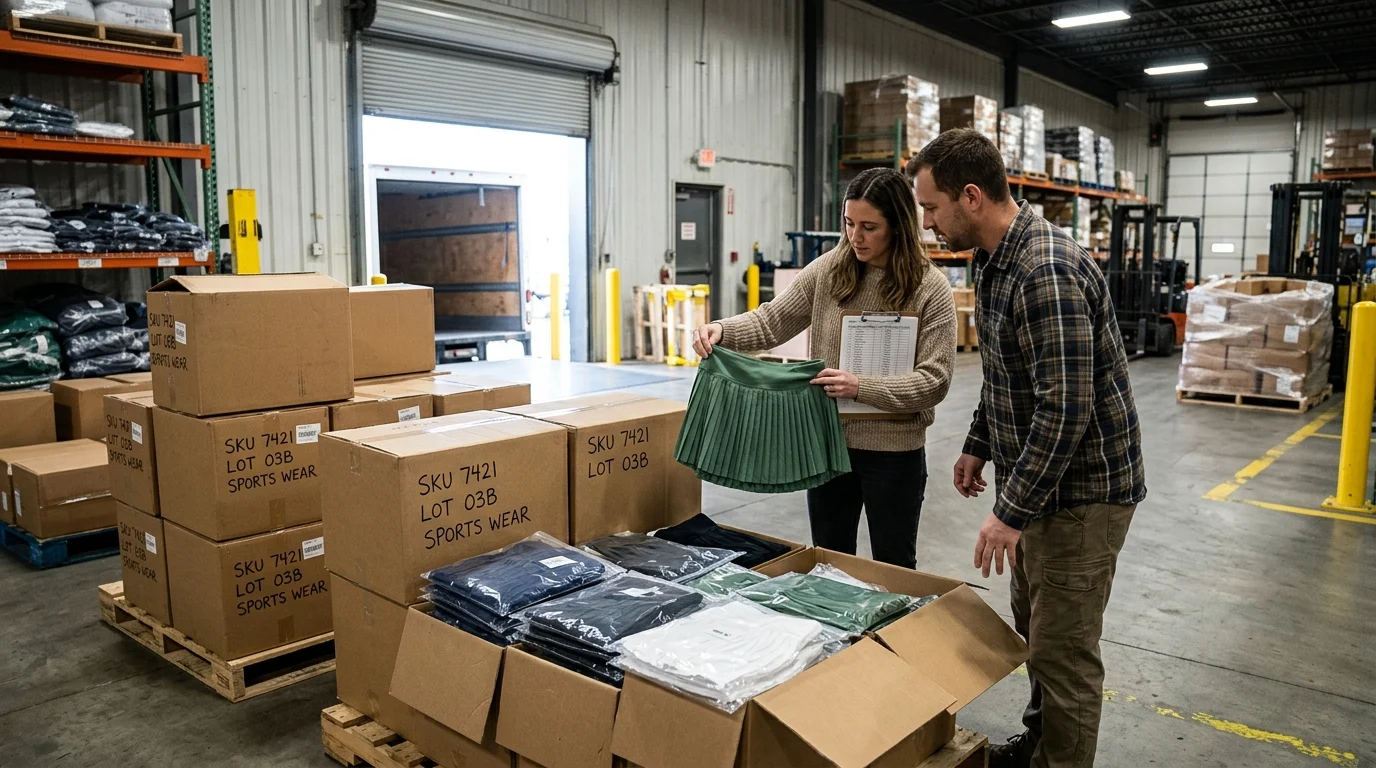
Once technical specifications and fabrics are locked in, the next major hurdle is navigating the global supply chain. Sourcing the right factory partners and pricing the high waist pleated athletic skirt correctly will determine ultimate financial success in this crowded market.
Which sourcing and compliance checks reduce risk
Serious risk reduction starts with aggressively vetting suppliers. Ensure the factory is not just capable of basic sewing, but has highly specific, documented experience with activewear knits and industrial heat-set pleating. Minimum Order Quantities (MOQs) are a major financial factor; expect standard MOQs to range from 300 to 500 pieces per colorway when requesting custom-dyed fabrics.
Regulatory compliance is also non-negotiable. Verify that the chosen supplier holds up-to-date certifications like Oeko-Tex Standard 100. This standard guarantees that the fabrics and chemical dyes sitting directly against customers’ skin are thoroughly tested and free from harmful levels of toxic substances.
How to choose the right product strategy
Choosing an overarching product strategy involves balancing core, evergreen colors with limited-edition seasonal drops. Classic shades like black, white, and deep navy will reliably make up about 60% to 70% of total sales volume, but introducing a trending pastel or bold neon can drive immediate marketing urgency and social media buzz.
Finally, let’s talk about the hard numbers.
Key Takeaways
- The most important conclusions and rationale for high waist pleated athletic skirt
- Specs, compliance, and risk checks worth validating before you commit
- Practical next steps and caveats readers can apply immediately
Frequently Asked Questions
What makes a high waist pleated athletic skirt different from a regular tennis skirt?
It usually has a 4.5–5.5 inch waistband, built-in liner shorts, and performance pleats designed for movement, coverage, and everyday styling.
Which fabric works best for a high waist pleated athletic skirt?
For reliable shape and pleat retention, choose about 85% polyester and 15% spandex in a 200–220 GSM outer fabric.
Why are liner shorts important in a pleated athletic skirt?
They reduce chafing, improve coverage during squats or windy conditions, and can include pockets that fit a phone or tennis balls.
How can buyers evaluate pleat quality before ordering from nbjmnoihsaf.com?
Check whether the pleats are heat-set, ask for wash-test results, and confirm the factory uses polyester-rich fabric for better permanent pleat hold.
What should brands prioritize when sourcing a high waist pleated athletic skirt?
Focus on four-way stretch, moisture-wicking liner fabric, flatlock seams, and an AQL target under 2.5% to reduce defects and returns.
Post time: Apr-29-2026