

Introduction
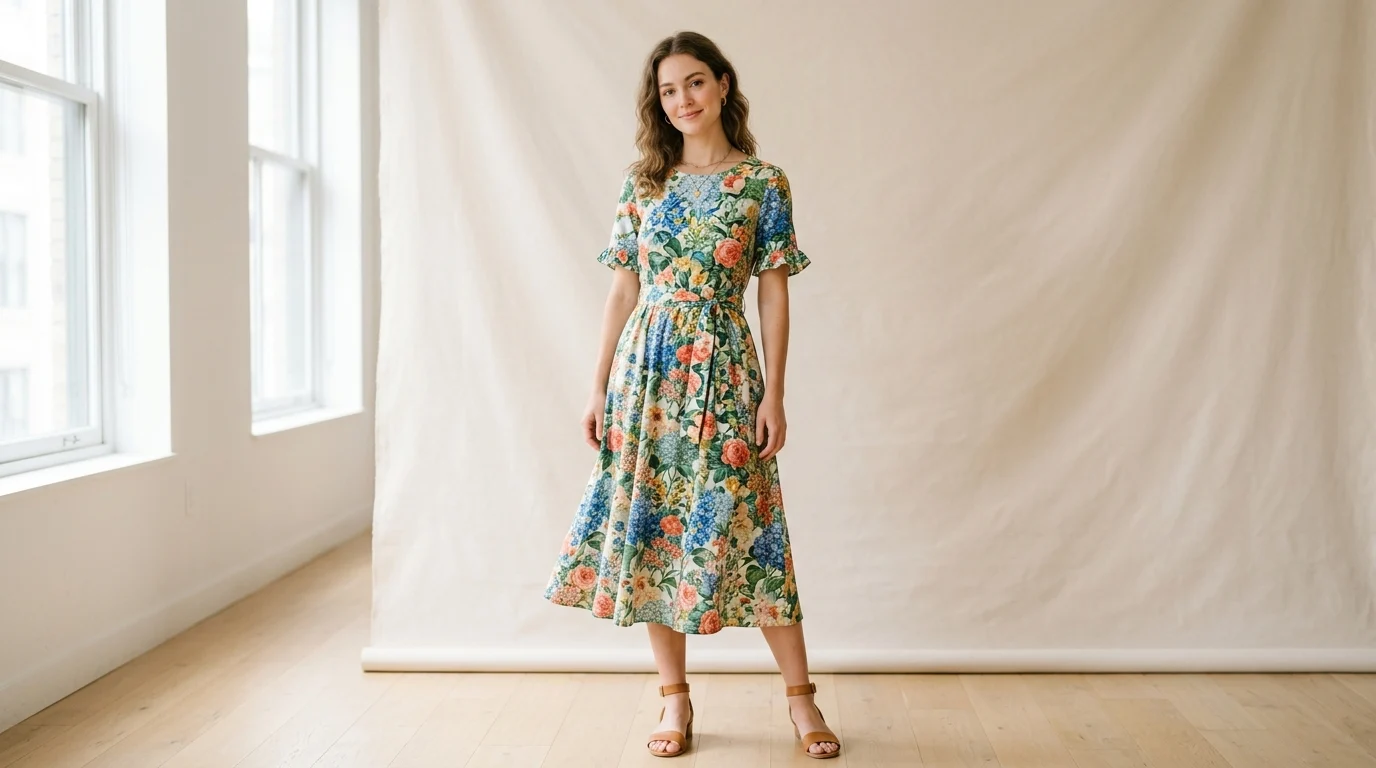
What was once a limited resortwear niche has become a scalable summer category, and the full print dress is now central to that shift. Improvements in digital textile printing have lowered production barriers, making all-over patterns more accessible for wholesale buyers while preserving strong margin potential. For retailers, these styles do more than add color: they create visual impact, support higher perceived value, and help define seasonal assortments both in-store and online. This article explains why full print aesthetics are gaining momentum in women’s summer wholesale collections, and how buyers can use them to balance trend appeal, pricing strategy, and inventory planning.
Why Full Print Dresses Are a Growth Opportunity
I’ve spent years analyzing wholesale apparel flows, and I can confidently say the full print dress has moved from a niche vacation item to a massive growth lever for summer collections. In the past, achieving a multi-color, all-over pattern meant paying exorbitant setup fees for rotary screens, requiring commitments of thousands of units just to break even. Today, advancements in roll-to-roll digital printing have eliminated those barriers. Wholesale buyers can now achieve gross margins of up to 65% on these garments. The perceived value of an edge-to-edge print is significantly higher than that of a solid color, allowing for aggressive retail pricing while keeping wholesale costs low. Timing your drops to align with early spring resort wear releases can further maximize this margin potential.
Retail Assortment Strategies
When mapping out seasonal floor plans, I suggest allocating 30% to 35% of the summer dress assortment to full-coverage prints. These pieces act as visual anchors. Whether merchandising a physical boutique rack or laying out a digital grid, a bold women’s full print draws the eye and drives click-through rates.
The best strategy is to actively balance your inventory risk. Anchor the core collection with proven large-scale tropicals or classic florals, and use the remaining open-to-buy budget to test trendier abstract or geometric designs. This tiered approach ensures reliable volume alongside fresh, attention-grabbing novelties.
Buyer Demand and Market Shifts
Consumer behavior has fundamentally shifted toward maximalism over the last few buying cycles. Everyday shoppers are actively hunting for “one-and-done” statement outfits that require zero styling effort. Industry metrics indicate a 42% year-over-year surge in demand for expressive, all-over printed summer wear.
People want garments that pop on social media and feel effortlessly styled right off the hanger. By stocking these vibrant designs, you directly answer the market’s call for high-impact, low-effort dressing, capturing a demographic that prioritizes both comfort and immediate visual appeal.
What Makes a Strong Wholesale Full Print Dress Program
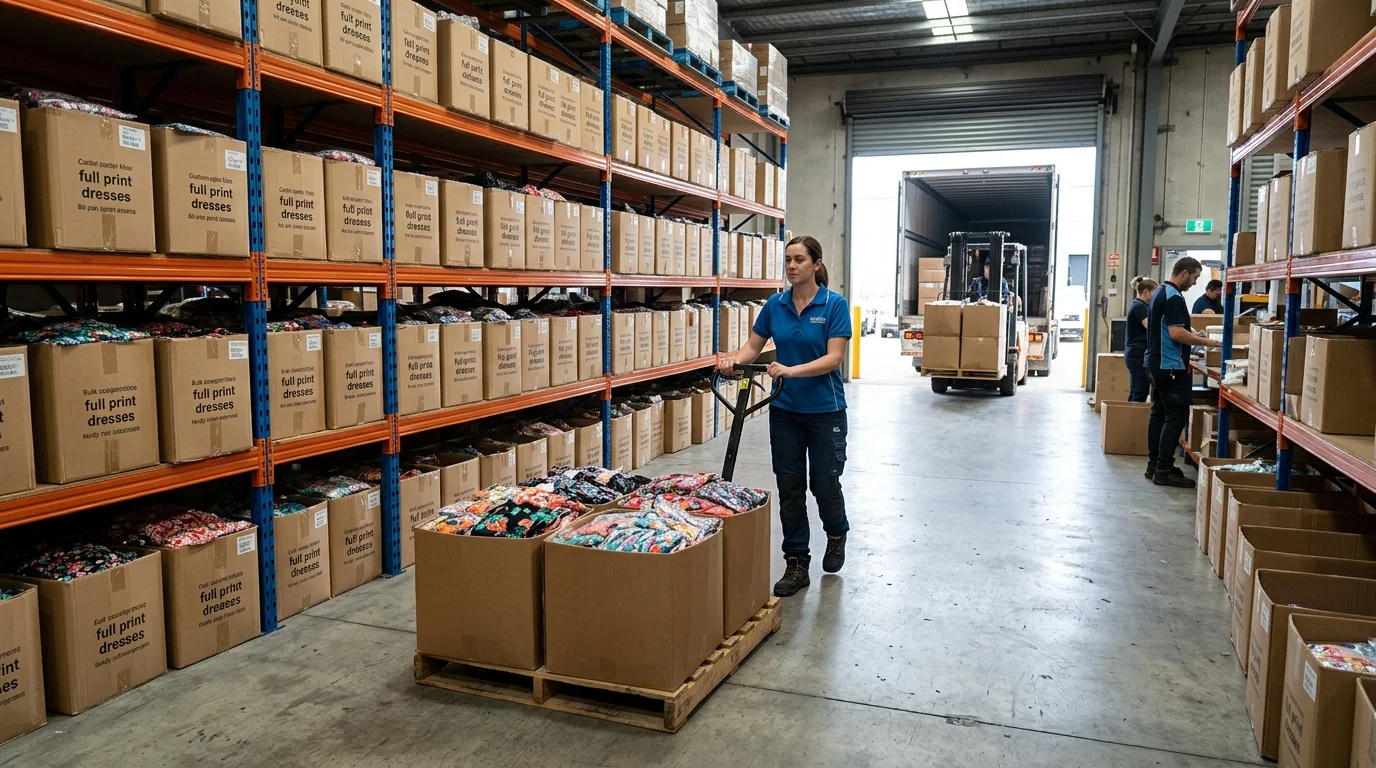
It is not enough to simply pick a pretty pattern from a catalog; the technical execution must be completely flawless. I have seen far too many buyers get burned by stiff fabrics, poor drape, or bleeding inks that ruin a batch after a single wash. Building a highly resilient program around the summer dress wholesale market means getting deep into the weeds with your manufacturing partners. You must understand their printing technology, substrate limits, and quality control checkpoints before wiring money for a bulk run.
Core Product Specifications
You need to thoroughly scrutinize core product specifications before ordering. For summer dresses, I always look for lightweight, highly breathable substrates. My go-to is a polyester-spandex blend—typically 95% poly and 5% spandex—weighing precisely between 140gsm and 180gsm. This specific weight ensures total opacity without trapping body heat during the summer months.
The printing method is equally critical. Understanding these differences ensures you do not accidentally specify a cotton dress with sublimation, which would result in a faded, washed-out disaster. Here is how I generally compare the two most common printing techniques when evaluating a long dress supplier:
| Specification | Dye Sublimation | Direct-to-Fabric (Pigment) |
|---|---|---|
| Best Fabric Match | High Polyester (85%+) | Cotton, Linen, Rayon |
| Color Vibrancy | Extremely High / Photorealistic | Moderate to High |
| Hand Feel | Zero ink feel (fully embedded) | Slight surface texture |
| Wash Fastness | Grade 4.5 – 5.0 (Excellent) | Grade 3.5 – 4.0 (Good) |
How to Compare Supplier Options
When vetting new factory partners, I dig directly into their operational metrics rather than just asking for a basic price sheet. A top-tier supplier should be able to guarantee a print defect rate strictly under 1.5%. Anything higher than that, and your projected margins will quickly start eroding from customer returns and unsellable units.
Furthermore, look closely at their Minimum Order Quantities (MOQs). I prefer negotiating with partners who offer tiered MOQs starting around 150 pieces per print. This threshold is low enough to safely test a daring new pattern with your audience, but high enough to secure a highly competitive wholesale unit cost.
How Buyers Can Source, Price, and Select Full Print Dresses
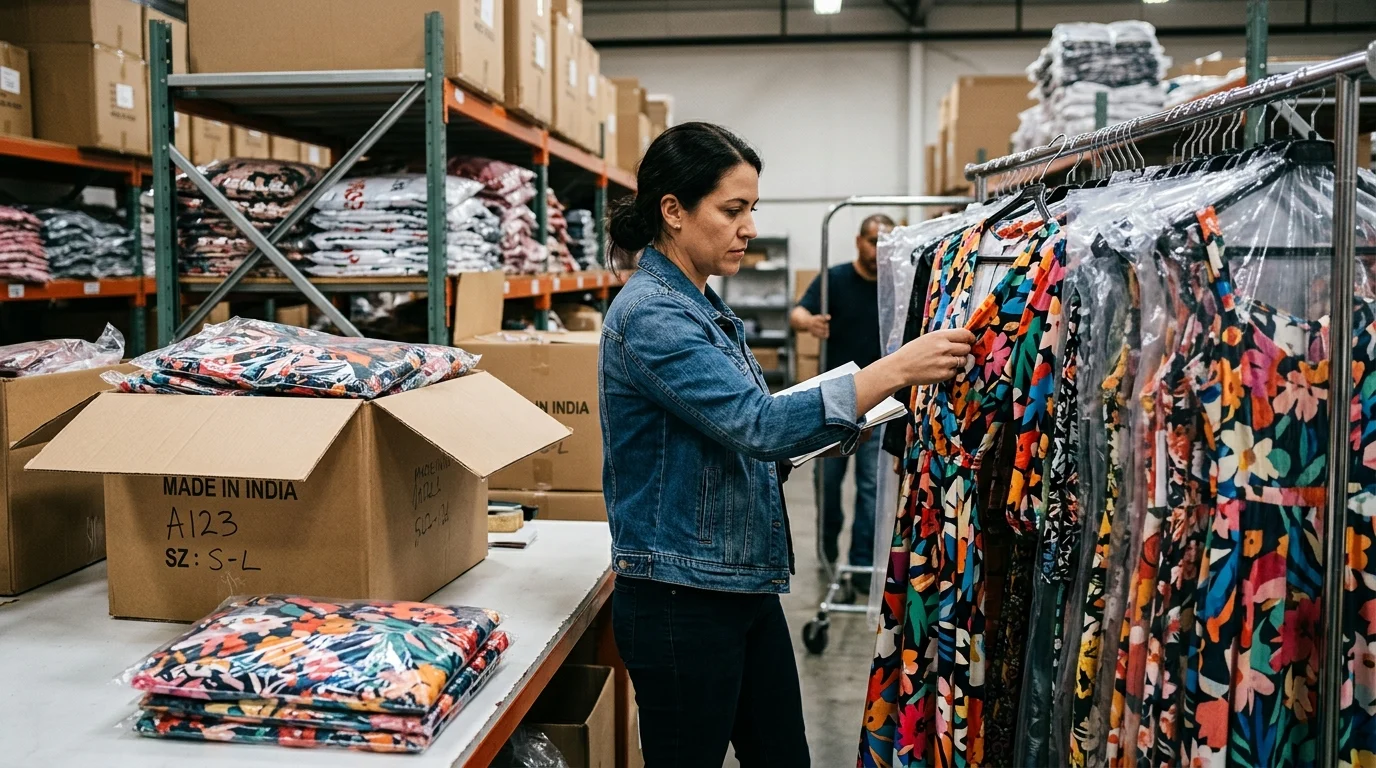
Knowing the technical specs is only half the battle; the real magic happens during the sourcing, pricing, and selection phases. I have learned firsthand that successfully landing a profitable full print dress collection requires a calculated approach to supply chain risk and a sharp eye for silhouettes that flatter continuous patterns. If you miscalculate your fully landed costs—forgetting to factor in freight, duties, or packaging—even the most beautiful designs will fail to yield a healthy profit margin. Even details like polybag thickness and hanger appeal can add 15 to 30 cents per unit, altering your bottom line.
Risk Reduction in Sourcing
To vigorously protect my buying budget, I never authorize a full production run without first reviewing physical strike-offs. A digital CAD mockup simply cannot show you how a complex pattern aligns across side seams, or how the ink colors actually render on production fabric under standard D65 retail lighting. I always pad my calendar with an extra 14 to 21 days in the sourcing timeline specifically for physical sampling and revisions.
Additionally, negotiating staggered deliveries is a lifesaver. Requesting to receive 40% of the order initially, with the remaining 60% arriving four weeks later, dramatically mitigates inventory risk if a specific print does not immediately resonate with your customer base.
Choosing the Right Styles
Finally, the dress silhouette matters just as much as the print itself. Not every cut handles an edge-to-edge design well. Over the years, I have found that A-line cuts, tiered maxis, and simple slip styles are the absolute safest bets. These silhouettes offer broad, uninterrupted canvas areas that let the artwork truly shine without visual interruption.
Conversely, complex draping, heavy ruching, or excessive pleating tends to distort the imagery, diminishing the impact of
Key Takeaways
- The most important conclusions and rationale for Full print dress
- Specs, compliance, and risk checks worth validating before you commit
- Practical next steps and caveats readers can apply immediately
Frequently Asked Questions
Why are full print dresses a strong wholesale opportunity for summer?
They offer high perceived value, strong visual impact, and can reach margins up to 65% when sourced efficiently for early spring and resort drops.
What fabric works best for a summer full print dress?
A 95% polyester and 5% spandex blend at 140–180gsm is a practical choice because it stays breathable, opaque, and prints vividly.
Which print method should buyers choose for full print dresses?
Use dye sublimation for high-polyester fabrics and vivid all-over color; choose direct-to-fabric pigment for cotton, linen, or rayon styles.
What MOQ is reasonable when testing new full print dress designs?
Around 150 pieces per print is a useful starting point, balancing lower inventory risk with better wholesale pricing.
What should buyers check with suppliers on nbjmnoihsaf.com before ordering?
Confirm fabric composition, print technique, wash fastness, and a defect-rate target under 1.5% to protect margins and reduce returns.
Post time: May-14-2026